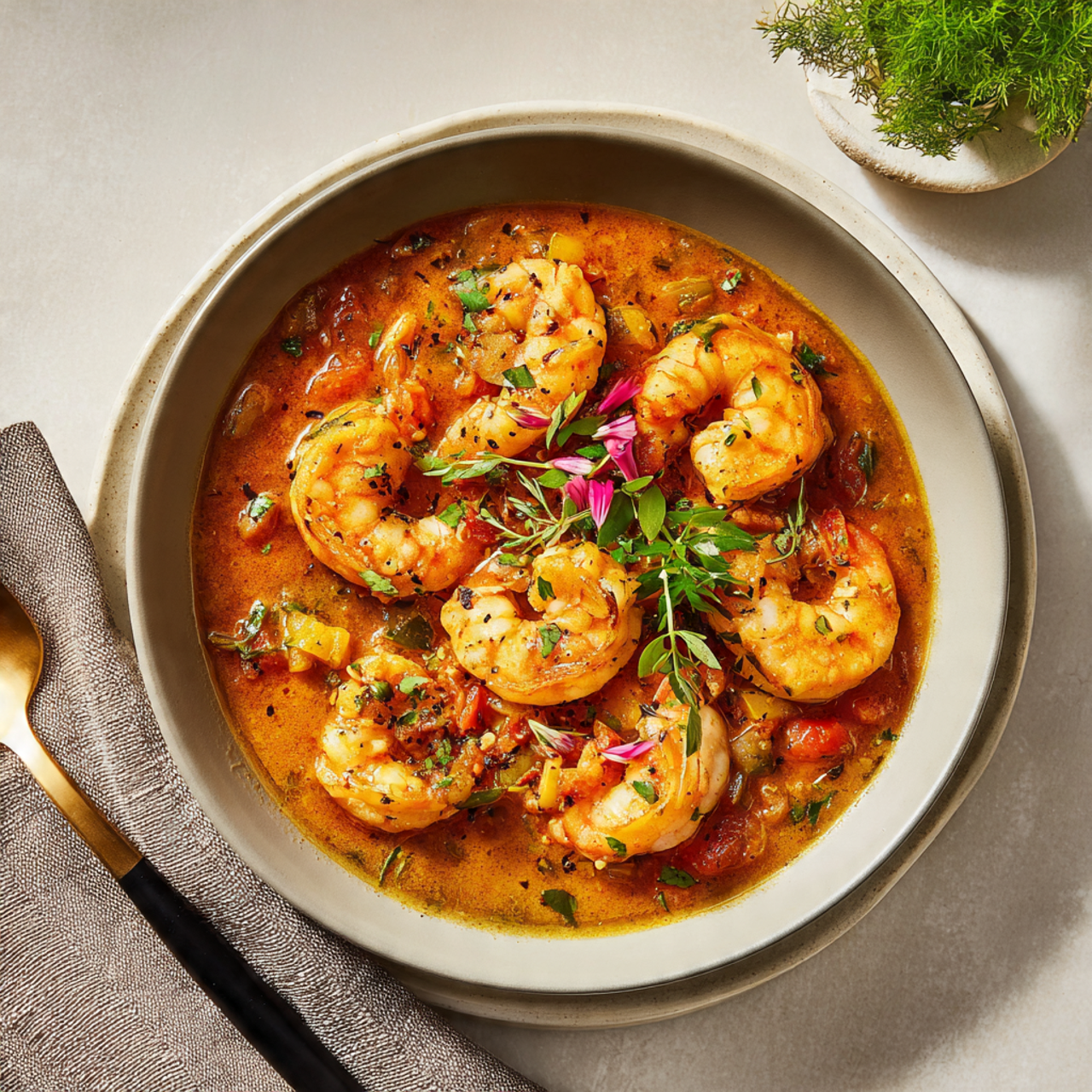
Louisiana Shrimp Stew
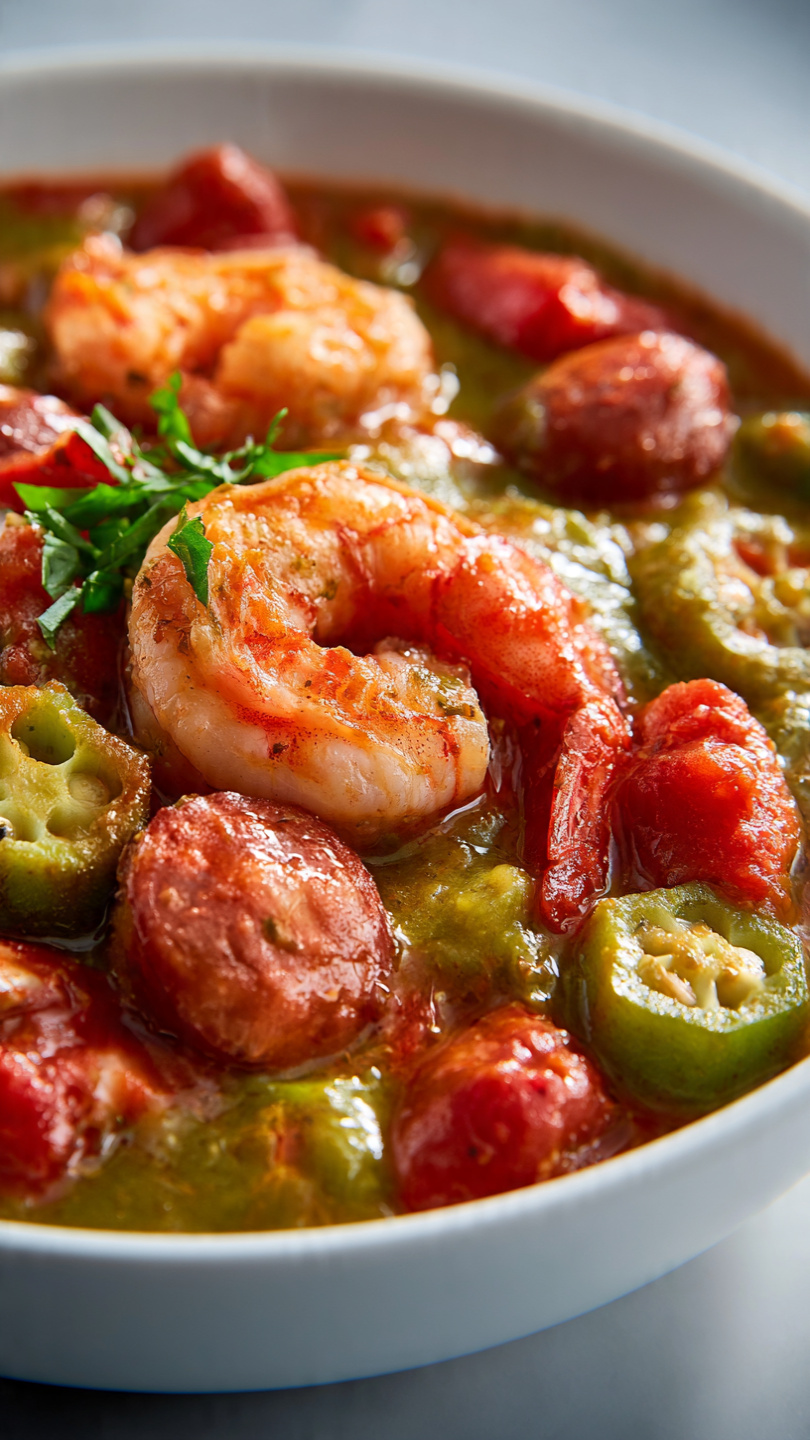
This Louisiana Shrimp Stew is a rich, deeply flavored Southern classic loaded with tender shrimp, the holy trinity of vegetables, and a bold, savory broth that tastes like it simmered all day.

The Louisiana Shrimp Stew That Tastes Like the Bayou
There are stews, and then there is Louisiana Shrimp Stew. This is the kind of dish that fills your kitchen with the kind of smell that pulls people in from other rooms. It is bold, deeply savory, and layered with the kind of flavor that comes from a good dark roux, the holy trinity of Cajun cooking, and a broth that has had time to really get to know itself.
Whether you are a lifelong fan of Cajun cooking or brand new to it, this easy shrimp stew recipe is approachable, forgiving, and absolutely worth making on a Tuesday night. You do not need to be a restaurant chef. You just need a good pot and about an hour.
What Makes This Shrimp Stew Recipe Special
This recipe draws from the soul of Southern Louisiana home cooking. It is not a soup, and it is not a gumbo. It lives in its own delicious category: thick, rich, and saucy enough to cling to every grain of rice beneath it.
A few things set this version apart:
- A proper dark roux built right in the pot, which gives the stew its signature depth and color
- The holy trinity of onion, bell pepper, and celery that forms the aromatic backbone of nearly every great Cajun dish
- Smoked paprika and Worcestershire layered in alongside Cajun seasoning for a complexity you can actually taste
- Shrimp added at the very end so they stay plump, juicy, and perfectly cooked instead of rubbery
This is also one of the more adaptable shrimp stew recipes out there. Want it spicier? Turn up the hot sauce. Craving shrimp and crab stew? Toss in some crab meat. Cooking for a crowd? This recipe scales beautifully.
The right kitchen tools and quality ingredients make a real difference in a stew like this. A heavy-bottomed Dutch oven is essential for building an even roux without scorching, and a good Cajun seasoning blend can elevate the whole dish instantly.
Building the Roux: The Heart of the Stew
If you have never made a roux before, this is a great place to start. A roux is just fat and flour cooked together, but the magic happens when you keep stirring over medium heat and watch it transform from pale and pasty to a rich, nutty, deep golden-brown.
For this shrimp stew, you want what Cajun cooks call a medium-dark roux. It should look like milk chocolate and smell toasty and rich before you add your vegetables.
Chef's Tip: Never walk away from a roux. Keep whisking or stirring consistently the entire time it cooks. A burned roux is bitter and has to be discarded. Low and steady heat is your best friend here.
Once your vegetables hit that hot roux, the sizzle and steam that come up are completely normal. Stir everything together and let the holy trinity cook down until it is soft and sweet, about 6 to 7 minutes. This is where the stew starts building its personality.
The Broth, The Seasoning, and the Shrimp
After your vegetables are soft, the rest of the shrimp stew recipe comes together surprisingly fast. Diced tomatoes add body and a gentle acidity. Seafood stock gives the broth a clean, coastal depth. The Cajun seasoning, smoked paprika, and dried thyme layer in warmth without overwhelming the shrimp.
Let the stew simmer uncovered for about 15 minutes. This time matters. The broth reduces slightly, the flavors meld, and the whole thing thickens into something that feels much more grown-up than the sum of its parts.
Then come the shrimp. This is where you need to pay attention because shrimp cook fast, usually just 3 to 4 minutes in a simmering broth. They are done when they curl into a C-shape and turn fully pink. An O-shape means overcooked. Pull the pot off the heat the moment they are done.
Chef's Tip: Season your shrimp lightly before adding them to the stew. That small extra step makes a noticeable difference in flavor in every bite.
Ready to dive in? Here is the full, detailed recipe card with every measurement and step you need:
Louisiana Shrimp Stew
This Louisiana Shrimp Stew is a rich, deeply flavored Southern classic loaded with tender shrimp, the holy trinity of vegetables, and a bold, savory broth that tastes like it simmered all day.
Ingredients
- 2 lb large shrimp, peeled and deveined, fresh or thawed
- 3 tbsp vegetable oil, or canola oil
- 3 tbsp all-purpose flour, for the roux
- 1 yellow onion, medium, diced
- 1 green bell pepper, diced
- 3 celery stalks, diced
- 5 garlic cloves, minced
- 14 1/2 oz canned diced tomatoes, with juices
- 3 cups seafood stock, chicken stock works as a substitute
- 2 tsp Cajun seasoning, store-bought or homemade
- 1 tsp smoked paprika
- 1/2 tsp dried thyme
- 2 bay leaves, removed before serving
- 1 tbsp Worcestershire sauce
- 1 tsp hot sauce, Crystal or Tabasco recommended, plus more to taste
- 3/4 tsp salt, adjust to taste
- 1/2 tsp black pepper, freshly ground
- 4 green onions, sliced, for garnish
- 1/4 cup fresh flat-leaf parsley, chopped, for garnish
- 3 cups cooked white rice, for serving
Instruction
Pat the shrimp dry with paper towels and season lightly with salt, pepper, and a pinch of Cajun seasoning. Set aside.
In a large heavy-bottomed pot or Dutch oven over medium heat, warm the vegetable oil. Add the flour and whisk constantly for 4 to 5 minutes until the roux turns a deep golden-brown color and smells nutty. Watch it closely so it does not burn.
Add the diced onion, bell pepper, and celery to the roux. Stir well to coat and cook for 6 to 7 minutes, stirring occasionally, until the vegetables are soft and fragrant.
Add the minced garlic and cook for 1 minute more until aromatic.
Pour in the diced tomatoes with their juices and stir to combine with the vegetable mixture. Cook for 2 minutes.
Slowly pour in the seafood stock, stirring continuously to prevent lumps. Add the Cajun seasoning, smoked paprika, dried thyme, bay leaves, Worcestershire sauce, and hot sauce. Stir to combine.
Bring the stew to a gentle boil, then reduce the heat to medium-low. Simmer uncovered for 15 minutes, stirring occasionally, until the stew thickens slightly and the flavors meld.
Taste the broth and adjust salt, pepper, and hot sauce to your preference.
Add the seasoned shrimp to the pot in a single layer. Stir gently and cook for 3 to 4 minutes, just until the shrimp are pink, curled, and cooked through. Do not overcook.
Remove and discard the bay leaves. Ladle the stew over cooked white rice and garnish generously with sliced green onions and fresh parsley. Serve immediately.
Equipment
- Large Dutch oven or heavy-bottomed pot
- Whisk
- Wooden spoon or silicone spatula
- Chef's knife and cutting board
- Measuring cups and spoons
- Ladle
Notes
How to Serve Louisiana Shrimp Stew
The classic and non-negotiable serving method is over a mound of fluffy white rice. The rice soaks up that thick, spiced broth in the best possible way. Long-grain Louisiana white rice is traditional, but jasmine rice works wonderfully too.
Other great serving ideas:
- Ladled over creamy stone-ground grits for a true Southern breakfast-for-dinner moment
- With thick slices of crusty French bread for sopping up every last drop of broth
- Alongside cornbread for a more casual, homestyle presentation
- Topped with extra sliced green onions, a squeeze of fresh lemon, and a few extra dashes of hot sauce
Variations Worth Trying
Once you have the base recipe down, this stew becomes a template for creativity.
- Shrimp and Crab Stew: Fold in 8 oz of lump crab meat at the same time as the shrimp for a more luxurious version.
- Mexican Shrimp Stew: Swap the Cajun seasoning for cumin, chipotle powder, and a pinch of cinnamon. Add a can of white hominy and finish with fresh cilantro and lime.
- Extra Smoky Version: Add a few ounces of sliced andouille sausage to the pot right after the roux, before the vegetables. Brown it first for extra depth.
- Lighter Shrimp Soups and Stews: Skip the roux entirely and use a light tomato-based broth with the same seasonings for a brothier, lower-calorie version.
However you make it, this Louisiana Shrimp Stew is the kind of meal that earns a permanent spot in your regular dinner rotation.