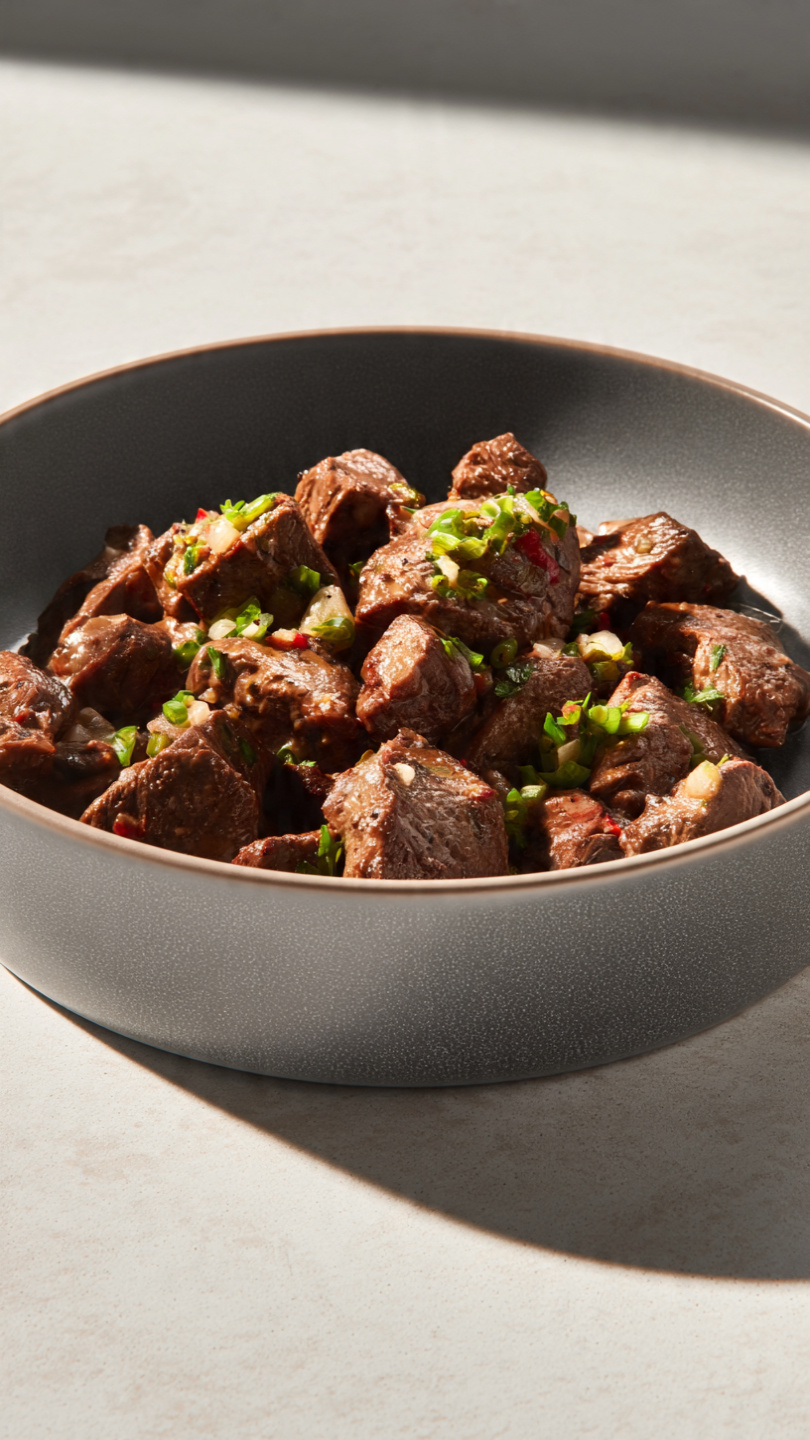
The Best Beef Liver and Onions Recipe
Tender, golden beef liver smothered in sweet caramelized onions and crispy bacon, finished with a quick pan sauce. This classic, foolproof method makes liver and onions taste better than ever.

Why Beef Liver and Onions Deserves a Spot Back on Your Dinner Table
Beef liver gets a reputation it really doesn't deserve. Cooked the right way, with a quick milk soak and a light flour dredge, it turns silky and tender, with none of the metallic bite that scares people off. If you grew up watching a parent figure out how to cook calf's liver and onions on a Sunday afternoon, this version honors that tradition while making the whole process foolproof for a weeknight kitchen. Eating beef liver regularly is one of the easiest ways to load your plate with iron, vitamin A, and B12, all from one humble, affordable cut.
This recipe leans on a few classic tricks: soaking the liver in milk to mellow its flavor, dredging it in seasoned flour for a light golden crust, and finishing everything in the same skillet as deeply caramelized onions and crisp bacon. The result is a plate that tastes like Sunday dinner at grandma's house, only faster.
Before we get cooking, the right tools and a few quality staples make a real difference here, especially when you're working with a delicate cut like liver that can go from perfect to rubbery in under a minute. A heavy cast iron or stainless skillet holds heat evenly so the liver sears instead of stewing, and a reliable meat thermometer takes the guesswork out of doneness.
How to Prepare and Cook Beef Liver Like a Pro
Knowing how to prepare and cook beef liver properly really comes down to three things: trimming, soaking, and not overcooking.
- Trim well. Ask your butcher to remove the thin outer membrane, or do it yourself with a sharp paring knife. It toughens up when cooked and peels away easily while the liver is still cold.
- Soak in milk. Thirty minutes to two hours in whole milk pulls out bitterness and softens the texture. This same trick works beautifully for elk liver, chicken livers, or any other beef organs you're cooking for the first time.
- Pat completely dry. Wet liver won't sear, it will steam, and steaming is exactly how you end up with the gray, mushy texture that gives organ meat recipes a bad name in the first place.
Chef's Tip: Liver cooks fast, often in under two minutes per side. Pull it from the heat the moment it firms up slightly and is still rosy in the center. It keeps cooking as it rests, and a few seconds too long is the difference between silky and shoe leather.
Cooking Liver & Onions to Perfection
This is the technique I come back to anytime I want the absolute best liver and onions, the kind that disappears off the plate before anyone reaches for seconds.
Start by rendering the bacon in the skillet until crisp, then set it aside and use that flavorful fat to slowly caramelize the sliced onions until they turn deep amber and sweet, about fifteen minutes of patient stirring. Push the onions aside, raise the heat slightly, and sear your dredged liver in butter and a touch of oil for just a minute or two per side. Picture a warm bowl of cooked liver, onions, and crumbled bacon all mingling together, with a splash of beef broth deglazing the pan into a quick, savory sauce. Spoon that sauce right over the top before serving.
Ready to bring it all together? Here is the full step-by-step recipe:
The Best Beef Liver and Onions Recipe
Tender, golden beef liver smothered in sweet caramelized onions and crispy bacon, finished with a quick pan sauce. This classic, foolproof method makes liver and onions taste better than ever.
Ingredients
- 1 1/2 lb beef liver, sliced about 1/2 inch thick, membrane trimmed
- 2 cups whole milk, for soaking
- 3/4 cup all-purpose flour, for dredging
- 1 tsp salt, plus more to taste
- 1/2 tsp black pepper, freshly ground
- 2 yellow onions, large, thinly sliced into rings
- 4 slices bacon, thick-cut, optional but highly recommended
- 3 tbsp unsalted butter, divided
- 2 tbsp olive oil
- 1 tsp fresh thyme, leaves only, or substitute 1/2 tsp dried thyme
- 1/2 cup beef broth, low sodium, for the pan sauce
Instruction
Place the liver slices in a shallow dish, cover with the milk, and let soak in the refrigerator for at least 30 minutes and up to 2 hours to mellow the flavor.
Remove the liver from the milk and pat each slice completely dry with paper towels. Discard the milk.
In a shallow dish, whisk together the flour, salt, and pepper. Dredge each liver slice in the seasoned flour, shaking off any excess.
Heat a large skillet over medium heat and cook the bacon until crisp, about 6 to 8 minutes. Transfer the bacon to a paper towel lined plate, leaving the fat in the pan.
Add the sliced onions and a pinch of salt to the bacon fat. Cook over medium low heat, stirring occasionally, until deeply golden and caramelized, about 15 minutes. Transfer the onions to a plate and set aside.
Increase the heat to medium high and add the butter and oil to the same skillet. Once the butter is shimmering, add the dredged liver in a single layer, working in batches if needed.
Sear the liver for 1 to 2 minutes per side, until lightly browned on the outside and just barely pink in the center. Transfer to a plate and tent loosely with foil.
Pour the beef broth into the hot skillet, scraping up any browned bits, and let it simmer for 1 to 2 minutes to form a light pan sauce.
Return the caramelized onions and bacon to the skillet to warm through, then nestle the liver back in and spoon the sauce over everything.
Sprinkle with fresh thyme and serve immediately while hot.
Equipment
- Large cast iron or stainless steel skillet
- Shallow dish for soaking and dredging
- Tongs
- Sharp paring knife
- Paper towels
- Meat thermometer (optional)
Notes
Serving, Storing, and Tasty Variations
Serve this straight from the skillet over mashed potatoes, buttered rice, or alongside crusty bread to soak up every bit of that pan sauce. A simple green salad or steamed green beans rounds out the plate nicely without competing with the rich, savory flavors.
If you have leftovers, they will keep, though liver is genuinely best enjoyed the day it's made since reheating can firm up the texture. Store any extra in an airtight container in the fridge and gently rewarm it in a covered skillet over low heat just until warmed through.
Feel free to play with this base recipe. Calf's liver is milder and more delicate if beef liver feels like too big a first step. Elk liver works wonderfully too if you have a hunter in the family, and the same milk soak and flour dredge method applies across almost any organ meat recipes you want to try. However you make it, this is the kind of humble, old fashioned dinner that deserves a permanent spot back in your regular rotation.