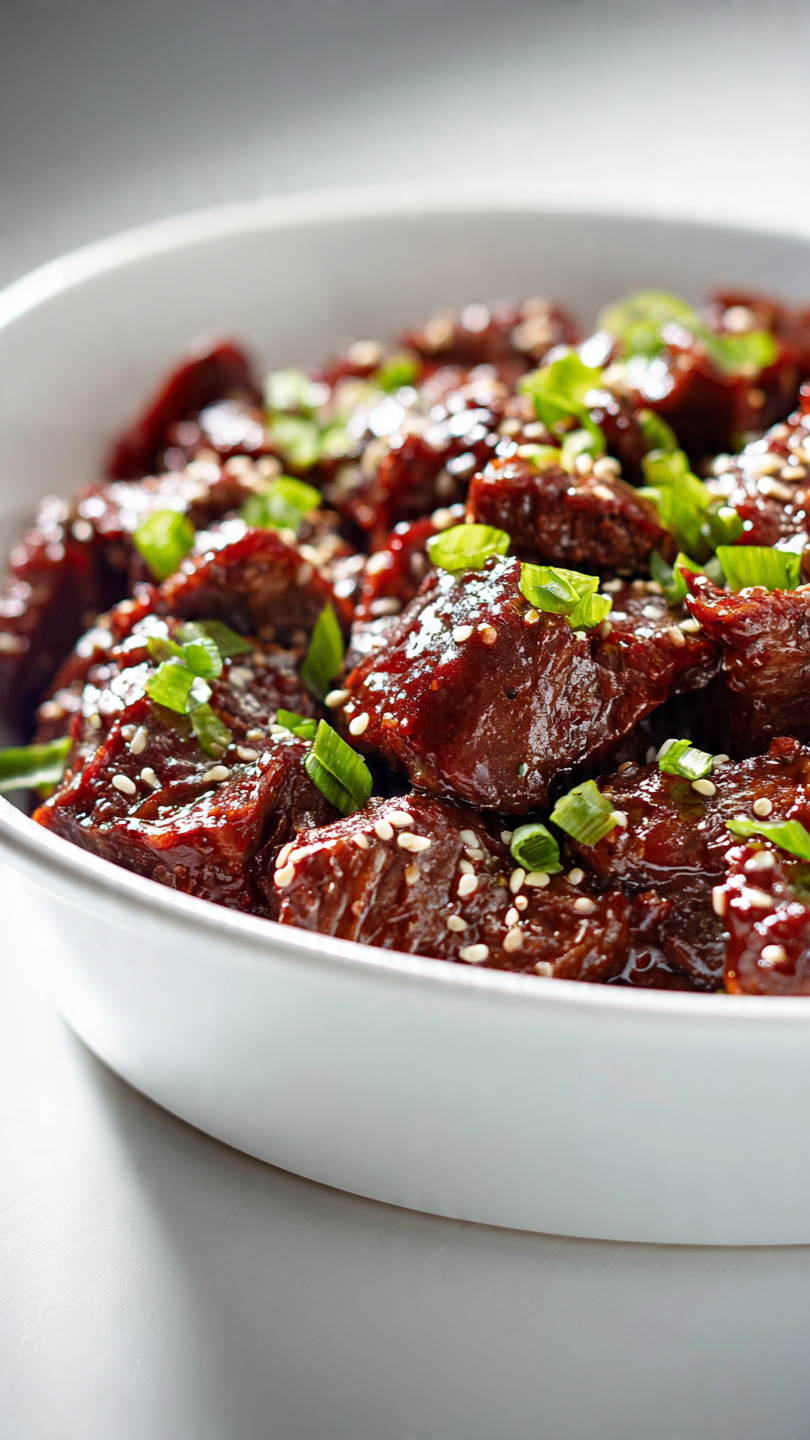
Mongolian Beef (Better Than Takeout!)
This Mongolian Beef recipe delivers tender sliced beef in a rich, savory-sweet sauce with crispy green onions, ready in under 30 minutes and better than any takeout you have ever tried.

The Sticky, Savory Asian Beef Dinner You Will Make on Repeat
There is a very specific craving that hits on a Tuesday night when you just need something deeply satisfying, a little sweet, a little salty, and completely over a bowl of fluffy white rice. That craving is Mongolian Beef. And once you realize you can make a version at home that genuinely rivals your favorite takeout spot, you will never go back.
This recipe gives you crispy-edged sliced beef coated in a glossy, caramelized sauce packed with garlic, ginger, soy, and brown sugar, all finished with a generous pile of braised green onions. It is the kind of Asian beef dinner that disappears from the pan before you even finish plating it.
Why This Mongolian Beef Recipe Works
A lot of homemade Mongolian Beef recipes end up with soggy, grey meat swimming in a thin, watery sauce. The secret to getting that restaurant-quality result at home comes down to two things: the cornstarch dredge and the high heat sear.
Coating the sliced beef in cornstarch before frying does something almost magical. It creates a thin, crispy shell around each piece that locks in the juices and gives the sauce something to cling to. When that coated beef hits a properly screaming-hot wok, it sears into golden, slightly crunchy perfection in under two minutes.
Then the sauce. Unlike a braised beef with green onions that slow-cooks for hours, this is a quick stir-fry sauce built on pantry staples: soy sauce, brown sugar, hoisin, garlic, and fresh ginger. It simmers for just a few minutes and thickens into that signature sticky, lacquered glaze.
Chef's Tip: The single biggest mistake people make is overcrowding the pan. Fry the beef in two batches, no matter how impatient you are. Crowding drops the temperature and turns your sear into a steam, which means soft, pale beef instead of crispy, caramelized perfection.
Ingredients That Make a Real Difference
For a dish this simple, the quality of your soy sauce and the sharpness of your knife actually matter quite a bit. Low-sodium soy sauce keeps the dish from turning overly salty as the sauce reduces, and a sharp blade lets you slice the beef as thin as possible for that melt-in-your-mouth texture. The right wok or heavy skillet that holds and distributes heat evenly will also completely change how well your beef sears.
What Cut of Beef to Use
This is a classic Japanese beef stir-fry with rice technique in spirit, and the cut you choose matters. Here is a quick breakdown:
- Flank steak is the traditional choice. It has a defined grain that makes it easy to slice thin, and it stays tender with the quick cook time.
- Skirt steak is a great alternative with a richer, beefier flavor.
- Sirloin works well and is often a little easier to find on sale.
- Avoid pre-cut stew beef or chuck. These cuts need long, slow cooking to become tender and will stay chewy in a stir-fry.
For the easiest slicing, pop your steak in the freezer for 20 to 30 minutes before you cut it. A slightly firmer steak is far easier to slice into the paper-thin strips that define great Asian beef tips.
Building the Mongolian Sauce
The sauce for this dish is the soul of the recipe, and it comes together in under 5 minutes. Think of it as a simple balance of salty, sweet, and aromatic:
- Soy sauce provides the deep, savory backbone common to most Asian beef recipe ingredients.
- Brown sugar brings the sweetness and helps the sauce caramelize and cling.
- Hoisin sauce adds a subtle plummy depth that rounds everything out.
- Garlic and ginger are non-negotiable. Fresh is always better here.
- Red pepper flakes are optional but add a gentle warmth that keeps the dish from feeling one-dimensional.
The sauce is simmered first in a separate pan, which lets the sugar dissolve and the flavors meld before it ever touches the beef. This is the move that makes your ingredients for beef rice bowl taste like something you ordered from a restaurant.
Chef's Tip: Taste the sauce before you add it to the beef. This is your moment to adjust. A touch more sugar if you want it sweeter, a splash more soy if you want it saltier, or a pinch more pepper flakes if you want the heat turned up.
The Green Onions Are Not Optional
One of the most iconic elements of stewed beef with green onions, and Mongolian Beef in particular, is those long, slightly wilted green onion pieces scattered through the dish. They are not just a garnish. They caramelize and soak up the sauce in the final toss, adding a mellow, almost sweet allium flavor that balances the richness of the beef.
Separating the white and green parts matters here. The whites go into the pan first with the beef so they have time to soften. The bright green tops go in at the very end, off the heat, so they stay vibrant and fresh.
Ready to bring this incredible Asian beef recipe to your table tonight? Here is everything you need:
Mongolian Beef (Better Than Takeout!)
This Mongolian Beef recipe delivers tender sliced beef in a rich, savory-sweet sauce with crispy green onions, ready in under 30 minutes and better than any takeout you have ever tried.
Ingredients
- 1 1/2 lb flank steak, sliced thinly against the grain
- 3/8 cup cornstarch, for dredging the beef
- 4 tbsp vegetable oil, divided, for frying
- 4 garlic cloves, minced
- 1 tsp fresh ginger, grated
- 1/2 cup low-sodium soy sauce
- 1/2 cup water
- 1/2 cup brown sugar, packed, dark or light both work
- 2 tbsp hoisin sauce
- 1/2 tsp red pepper flakes, optional, adjust to heat preference
- 6 green onions, cut into 2-inch pieces, whites and greens separated
- 1 tsp sesame seeds, for garnish
Instruction
Place the sliced flank steak in a large bowl and toss with cornstarch until every piece is evenly coated. Let it sit for 10 minutes while you prepare the sauce.
In a small saucepan over medium heat, combine the soy sauce, water, brown sugar, hoisin sauce, garlic, ginger, and red pepper flakes. Stir and bring to a gentle simmer for 3 to 4 minutes until the sugar fully dissolves and the sauce thickens slightly. Remove from heat and set aside.
Heat 3 tablespoons of vegetable oil in a large wok or skillet over high heat until shimmering and nearly smoking.
Working in two batches to avoid crowding, add the coated beef in a single layer. Sear for 1 to 2 minutes per side until deeply browned and slightly crispy. Remove to a paper-towel-lined plate and repeat with the remaining beef.
Discard any excess oil from the pan, leaving about 1 teaspoon behind. Add the white parts of the green onions and stir-fry for 30 seconds.
Return all the beef to the pan and pour the sauce over the top. Toss everything together over high heat for 1 to 2 minutes until the sauce has thickened and clings to every piece of beef.
Remove from heat and fold in the green tops of the green onions. Garnish with sesame seeds and serve immediately over steamed white rice.
Equipment
- Large wok or 12-inch skillet
- Small saucepan
- Sharp chef's knife
- Cutting board
- Mixing bowls
- Paper towels
- Tongs or wooden spatula
Notes
Serving and Storing Your Mongolian Beef
Serving: Mongolian Beef is best served immediately over a bed of steamed jasmine or long-grain white rice. The rice soaks up every bit of that incredible sauce. For a more complete meal, a simple side of steamed broccoli or bok choy slipped into the pan for the last minute is a perfect addition.
Storing: Leftovers keep in an airtight container in the refrigerator for up to 3 days. Reheat in a hot skillet with a splash of water rather than the microwave to keep the beef tender.
Make-ahead: The sauce can be prepared up to 3 days in advance. The beef can be sliced and dredged in cornstarch a few hours ahead. When dinner time hits, the actual cook time is under 10 minutes.
Whether you are cooking this for a weeknight family dinner or trying to impress someone who thinks good sliced beef Asian recipes are only possible at restaurants, this dish delivers every single time.