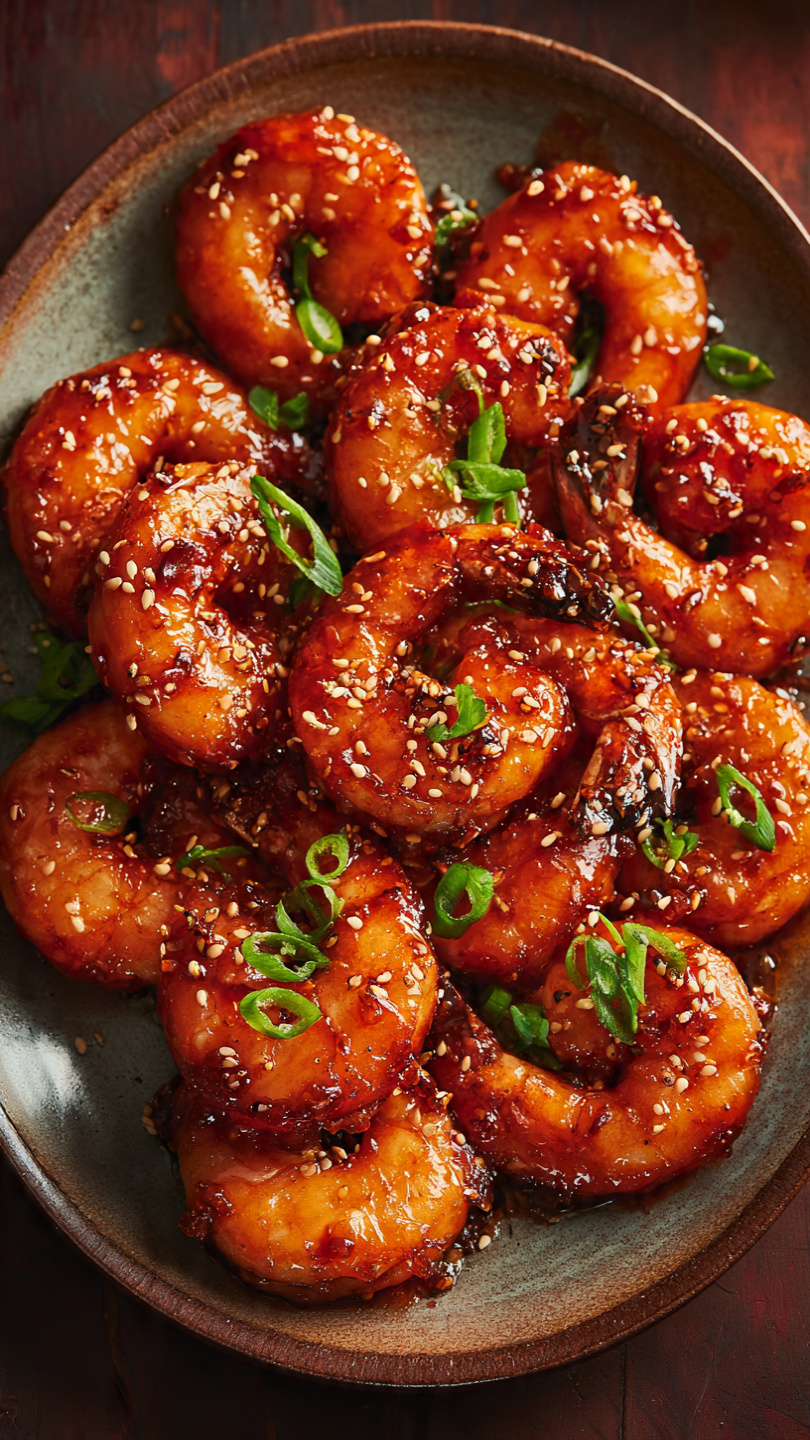
Gochujang Honey Shrimp
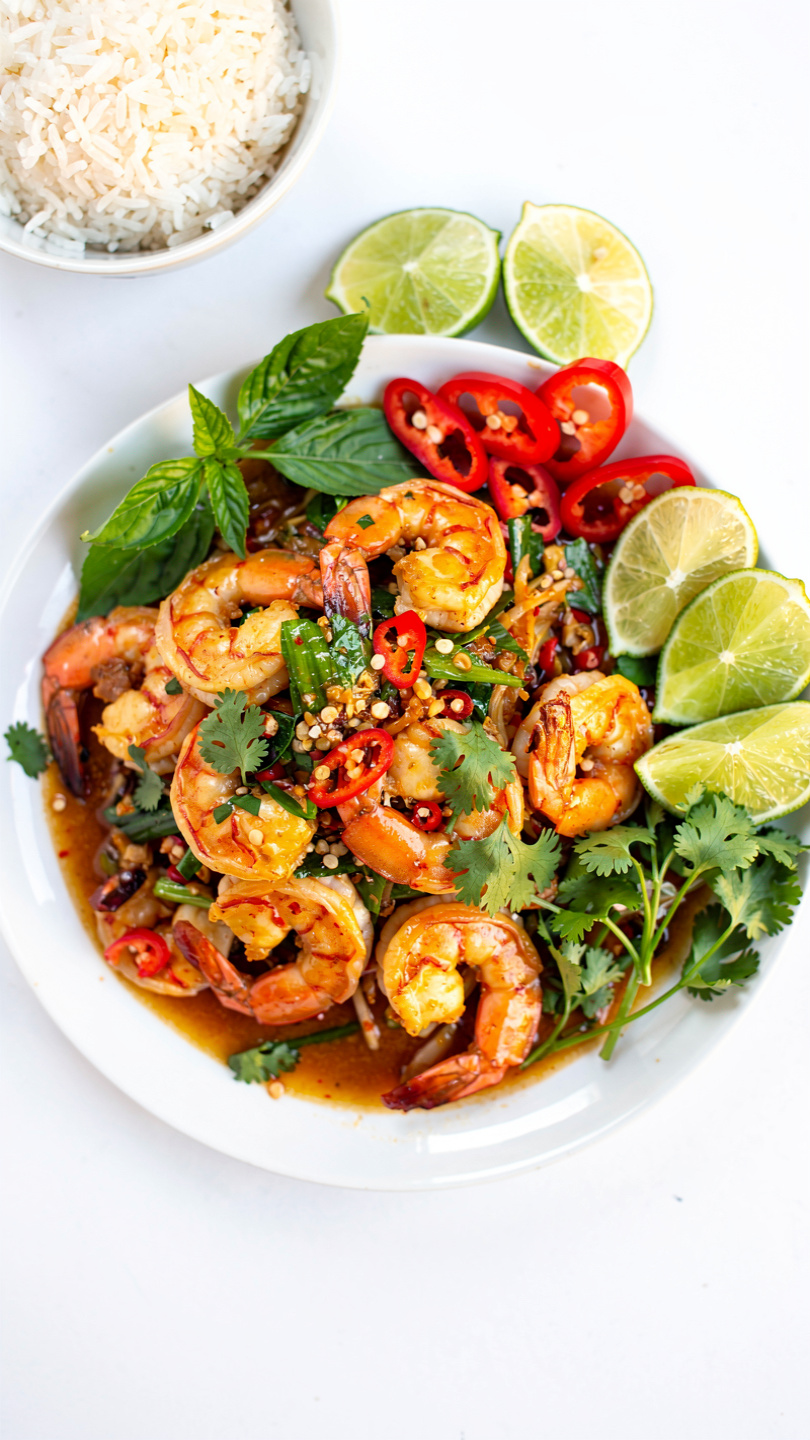
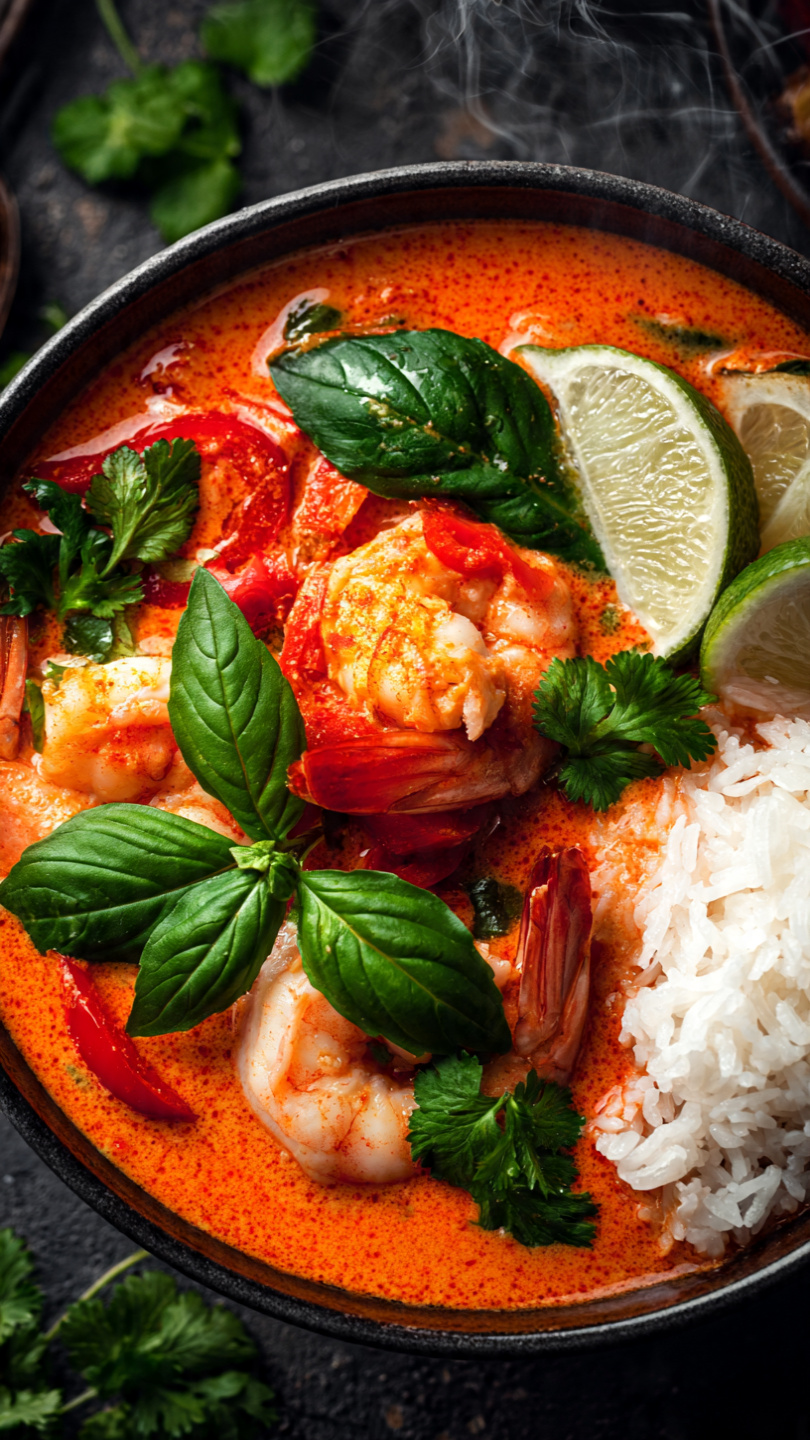
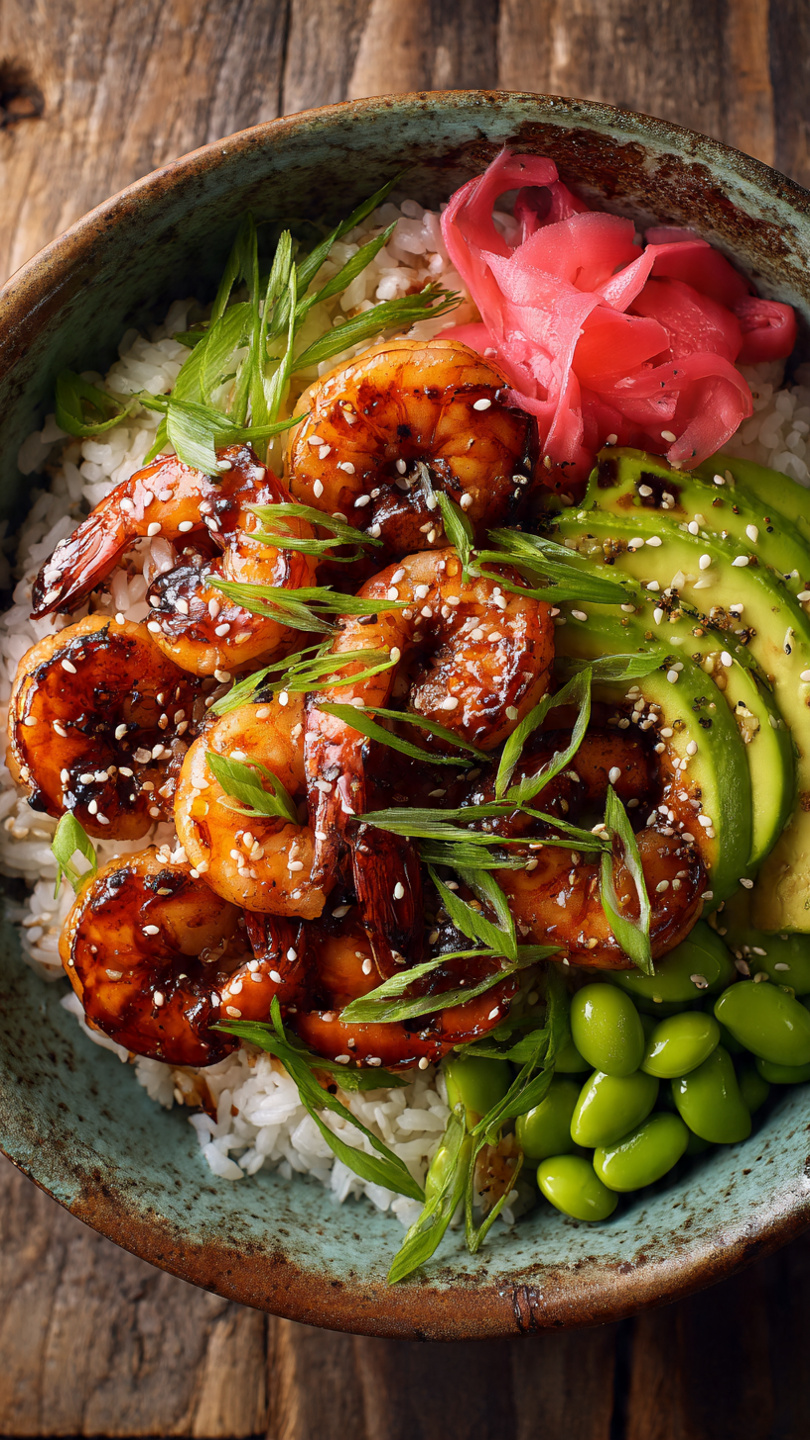
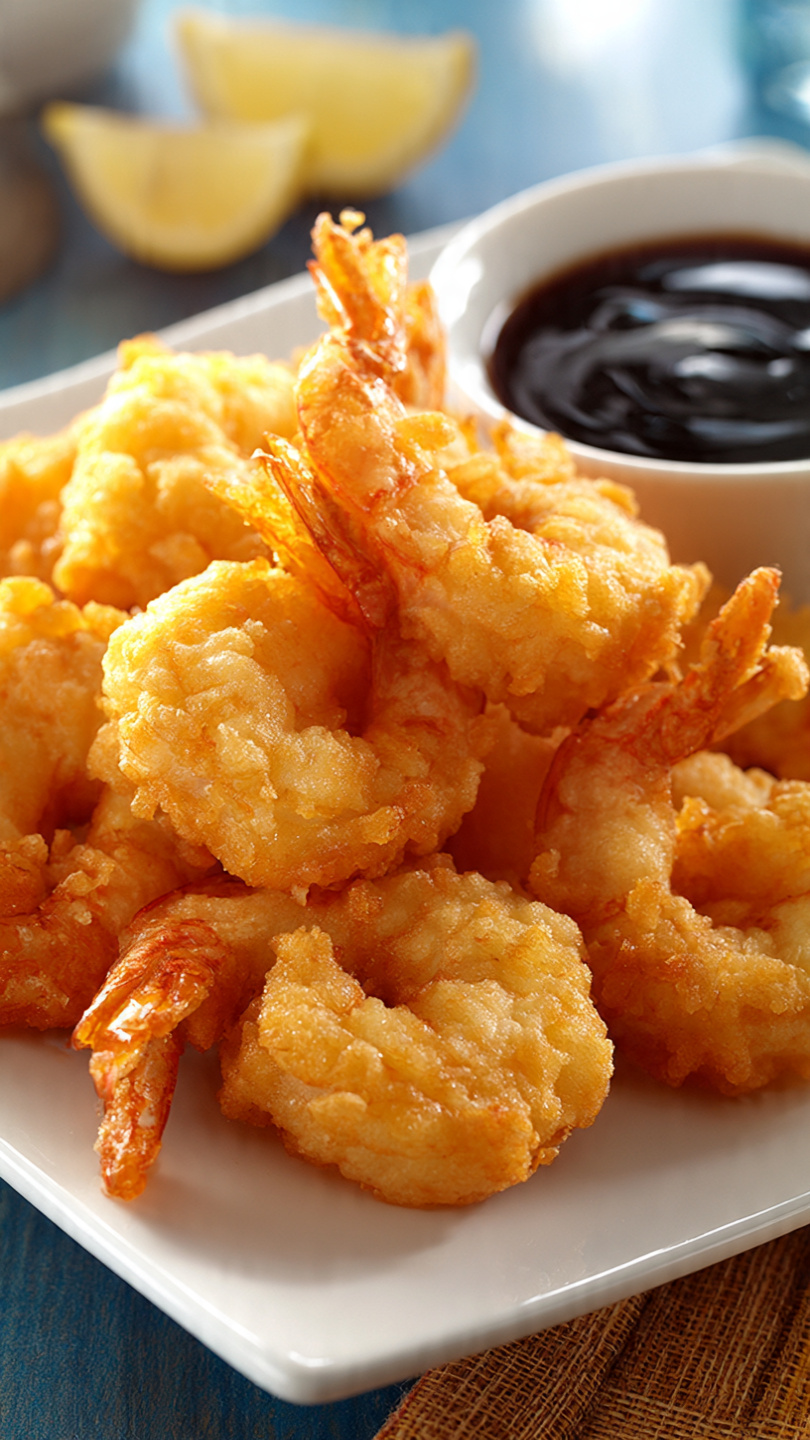
This Gochujang Honey Shrimp is a bold, sticky, sweet-and-spicy Asian shrimp dish ready in under 30 minutes. Crispy fried shrimp tossed in a fiery gochujang glaze makes this one of the most unique shrimp recipes you will ever try.

The Sweet, Spicy Shrimp Dinner You Have Been Missing
If you have been scrolling through Asian shrimp dishes looking for something that genuinely stops you in your tracks, this is it. Gochujang Honey Shrimp is everything a great weeknight dinner should be: fast, deeply flavorful, and impressive enough to serve to guests. Each shrimp is coated in a light crispy crust, fried until golden, and then tossed in a bold, glossy sauce that hits sweet, spicy, savory, and tangy all at once.
This recipe draws inspiration from the world of Korean-American cooking, where gochujang, the fermented Korean red pepper paste, meets the familiar comfort of a sticky honey glaze. Think of it as the exciting cousin of Chinese shrimp dinner classics like Hunan shrimp, but with a distinctly Korean pantry twist.
If you have been curious about things to make with gochujang beyond the usual stews and marinades, this dish is one of the best entry points. The right gochujang brand makes a real difference in depth and heat level, and a reliable deep-fry or candy thermometer ensures your shrimp fry up crispy rather than greasy.
What Makes Gochujang the Perfect Base for a Shrimp Glaze
Gochujang is one of those ingredients that transforms everything it touches. Unlike a simple hot sauce, it brings fermented depth, a hint of earthiness, and a slow-building heat that coats your palate rather than punching it. When you combine it with honey, soy sauce, garlic, and a splash of rice vinegar, you get a sauce that is genuinely complex without requiring hours of effort.
This is not your average Asian fried shrimp recipe. Most gochujang dishes lean heavily savory, but pulling honey into the mix softens the fermented edge and creates that irresistible lacquered glaze that clings to every piece of shrimp.
Chef's Tip: Always taste your gochujang before using it. Different brands vary significantly in heat and sweetness. Start with 2 tablespoons if you are sensitive to spice, and you can always add more at the end.
Tips for the Crispiest Shrimp Every Time
The crispy coating is what separates a great unique shrimp recipe from a mediocre one. Here is what matters most:
- Dry your shrimp thoroughly. Moisture is the enemy of crispiness. Pat each shrimp with paper towels before coating.
- Use a cornstarch-flour blend. Pure cornstarch fries up glassy and brittle, while a mix with flour gives you a more substantial, restaurant-style crust.
- Do not crowd the pan. Fry in two batches. Crowding drops the oil temperature and leads to steamed, soggy shrimp instead of fried, crispy ones.
- Maintain your oil temperature. Aim for 375 degrees F throughout. An instant-read thermometer is your best friend here.
These same principles apply whether you are making Asian fried shrimp recipes for a dinner party or a quick Tuesday night meal.
Building the Gochujang Honey Sauce
The sauce comes together in under five minutes, and you can even make it days ahead and store it in the fridge. Here is what each component does:
- Gochujang brings heat, fermented funk, and body
- Honey adds sweetness and helps the sauce caramelize around the shrimp
- Soy sauce deepens the savory backbone
- Rice vinegar adds brightness to cut through the richness
- Sesame oil finishes with a nutty, toasty aroma
- Fresh garlic and ginger keep the whole thing alive and fragrant
For anyone exploring gochujang dishes for the first time, this sauce is an incredible introduction to what the paste can do when it is balanced properly.
Chef's Tip: Simmer the sauce gently. High heat can burn the honey and turn the sauce bitter. Medium-low for 2 to 3 minutes is all it needs.
How to Serve Gochujang Honey Shrimp
This dish is built for sharing. Serve it over a big bowl of steamed jasmine or short-grain rice to soak up every drop of that glaze. For a complete Korean-American spread, pair it alongside:
- Cucumber kimchi or quick-pickled cucumbers to cool the heat
- Steamed edamame or roasted broccoli for a simple vegetable side
- Soft lettuce leaves to wrap individual shrimp for a fun, interactive serving style
If you are feeding a crowd and looking for Chinese shrimp dinner energy, this platter alongside some fried rice and a simple brothy soup covers everything.
Ready to cook? Here is the full step-by-step recipe card below:
Gochujang Honey Shrimp
This Gochujang Honey Shrimp is a bold, sticky, sweet-and-spicy Asian shrimp dish ready in under 30 minutes. Crispy fried shrimp tossed in a fiery gochujang glaze makes this one of the most unique shrimp recipes you will ever try.
Ingredients
- 1 1/2 lb large shrimp, peeled and deveined, tails on or off, your preference
- 1/2 cup cornstarch
- 1/4 cup all-purpose flour
- 1/2 tsp kosher salt
- 1/4 tsp black pepper, freshly ground
- 2 cups neutral oil for frying, vegetable, canola, or avocado oil
- 3 tbsp gochujang paste, adjust to heat preference
- 3 tbsp honey, pure honey preferred
- 2 tbsp soy sauce, low sodium works well
- 1 tbsp rice vinegar
- 1 tsp sesame oil, toasted
- 4 garlic cloves, minced, about 1.5 tbsp
- 1 tsp fresh ginger, grated
- 3 green onions, thinly sliced, for garnish
- 1 tsp sesame seeds, toasted, for garnish
Instruction
Pat the shrimp completely dry with paper towels. This step is critical for achieving a crispy coating.
In a large bowl, whisk together the cornstarch, flour, salt, and black pepper. Add the shrimp and toss until each piece is evenly coated.
In a small saucepan over medium-low heat, combine the gochujang, honey, soy sauce, rice vinegar, sesame oil, garlic, and ginger. Stir and cook for 2 to 3 minutes until the sauce thickens slightly and becomes fragrant. Remove from heat and set aside.
Heat the neutral oil in a deep skillet or wok over medium-high heat until it reaches 375 degrees F (190 degrees C). Use a thermometer for accuracy.
Working in two batches to avoid crowding, fry the coated shrimp for 2 to 3 minutes per side until golden, crispy, and cooked through. Transfer to a wire rack or paper towel-lined plate.
Once all shrimp are fried, pour out most of the oil from the pan, leaving about 1 tablespoon. Return the pan to medium heat, add the gochujang honey sauce, and let it bubble for 30 seconds.
Add all the fried shrimp back into the pan and toss quickly to coat every piece in the glossy sauce, about 1 minute.
Transfer to a serving plate and garnish with sliced green onions and toasted sesame seeds. Serve immediately over steamed rice.
Equipment
- Large deep skillet or wok
- Instant-read thermometer
- Small saucepan
- Wire rack or paper towel-lined plate
- Large mixing bowl
- Tongs or spider strainer
- Microplane or fine grater
Notes
Storing, Reheating, and Variations
Leftover shrimp will keep in an airtight container in the fridge for up to 2 days. Reheat in a hot skillet or air fryer to bring back some of that crispy texture. The microwave will make them rubbery, so skip it if you can.
Want to mix things up? Here are a few easy variations to keep this in your regular rotation:
- Extra spicy: Add a teaspoon of gochugaru (Korean red pepper flakes) directly into the sauce
- Citrus twist: A squeeze of fresh lime juice over the finished dish brightens everything up beautifully
- Air fryer version: Spray coated shrimp with cooking oil and air fry at 400 degrees F for 8 to 10 minutes, flipping halfway, then toss in the warm sauce
- Protein swap: This glaze works just as beautifully on chicken thighs, tofu, or cauliflower florets for a vegetarian spin
Whether you are a longtime fan of gochujang honey flavor combinations or just discovering the world of Korean-inspired cooking, this shrimp dish is the kind of recipe that earns a permanent spot in your weekly dinner rotation.